
Did you know that Solar C³ITIES is an acronym? It stands for “Connecting Community Catalysts Integrating Technologies for Industrial Ecology Solutions.” That’s a mouthful — you can see why we abbreviated it! But what does it really mean to connect community catalysts? Last week, Solar C³ITIES team members Janice Kelsey, Stephen Smith, and Jonathan Leibovic met in New York City with teachers, students, policymakers, advocates, and community leaders who believe in the transformative power of small-scale biogas to make connections and spark new collaborations.
On the drive from Pennsylvania to NYC, Janice and I made some calls from our mobile office: first to Terrence Topping-Brown, a University of Pennsylvania doctoral student in microbiology who wants to learn about microbes in biogas; and next to Okezie Ogbonna in Nigeria who wants to bring small-scale biogas to his rural farming community. We’re so excited that people around the world, from academia to agriculture, are interested in this technology and in Solar CITIES’ expertise, and we’re proud to be able to offer our consultation services free of charge.
Next, we stopped at a school in the Bronx to meet with a teacher about implementing a biodigester program. We checked out different possible sites for a digester, and discussed the unique challenges and opportunities facing school digester programs. They already have a garden, composting, and solar panels, so a biodigester would be a logical next step! Also in the Bronx, we connected with Wyldon Fishman, founder of the New York Solar Energy Society. Wyldon is a long-time supporter of Solar CITIES, with connections to solar photovoltaics, passive solar construction, and solar cookers.
From there, we attended the Energy Vision 20th anniversary banquet. This event deserves its own separate post, but in brief, Energy Vision has played a pivotal role in the transition of large trucks from diesel to renewable natural gas. Their in-depth research and reports have educated policymakers and business leaders about how to turn organic waste into transportation fuel that replaces fossil energy. The Global Methane Pledge requires signatory countries, including the United States, to reduce their methane emissions 30% by 2030 in order to avoid catastrophic climate change. According to Energy Vision’s research, anaerobic digesters for methane and food waste can get us halfway towards that goal.
Do you have questions about small-scale biogas? Do you have a biogas project that you’d like to share with us? Let us know in the comments!
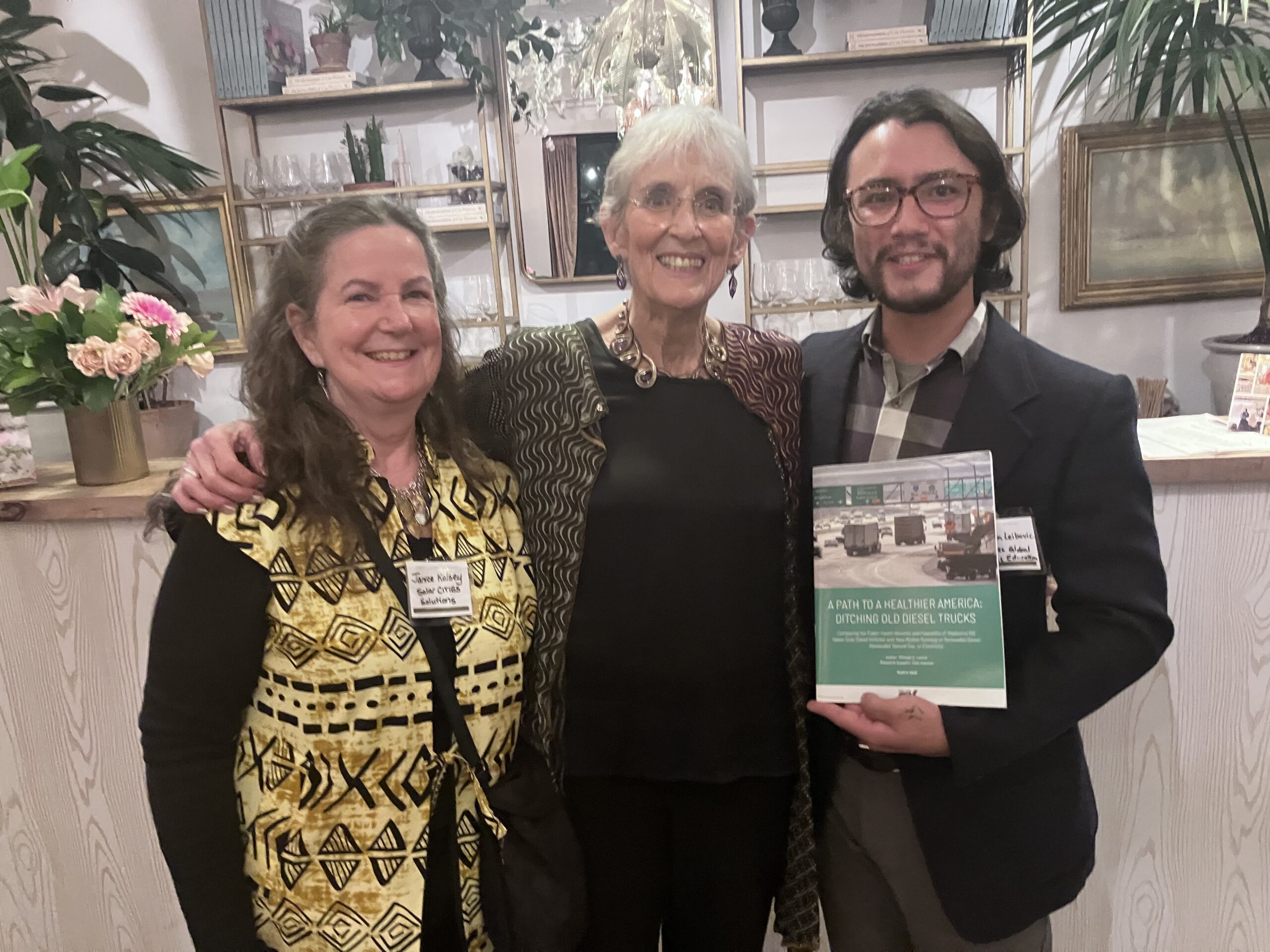
Janice and Jonathan with Joanna Underwood, founder of Energy Vision.
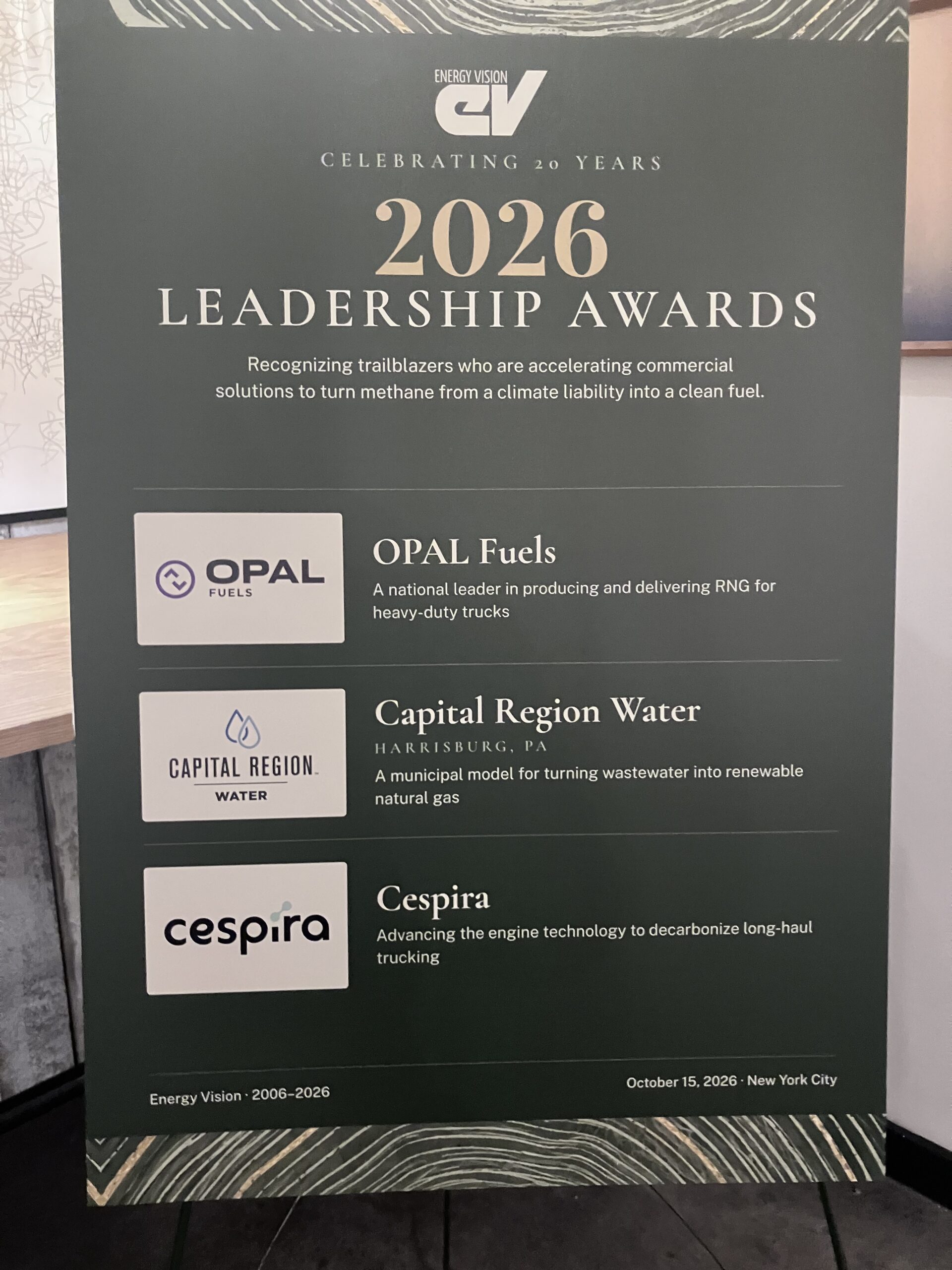
Energy Vision awardees
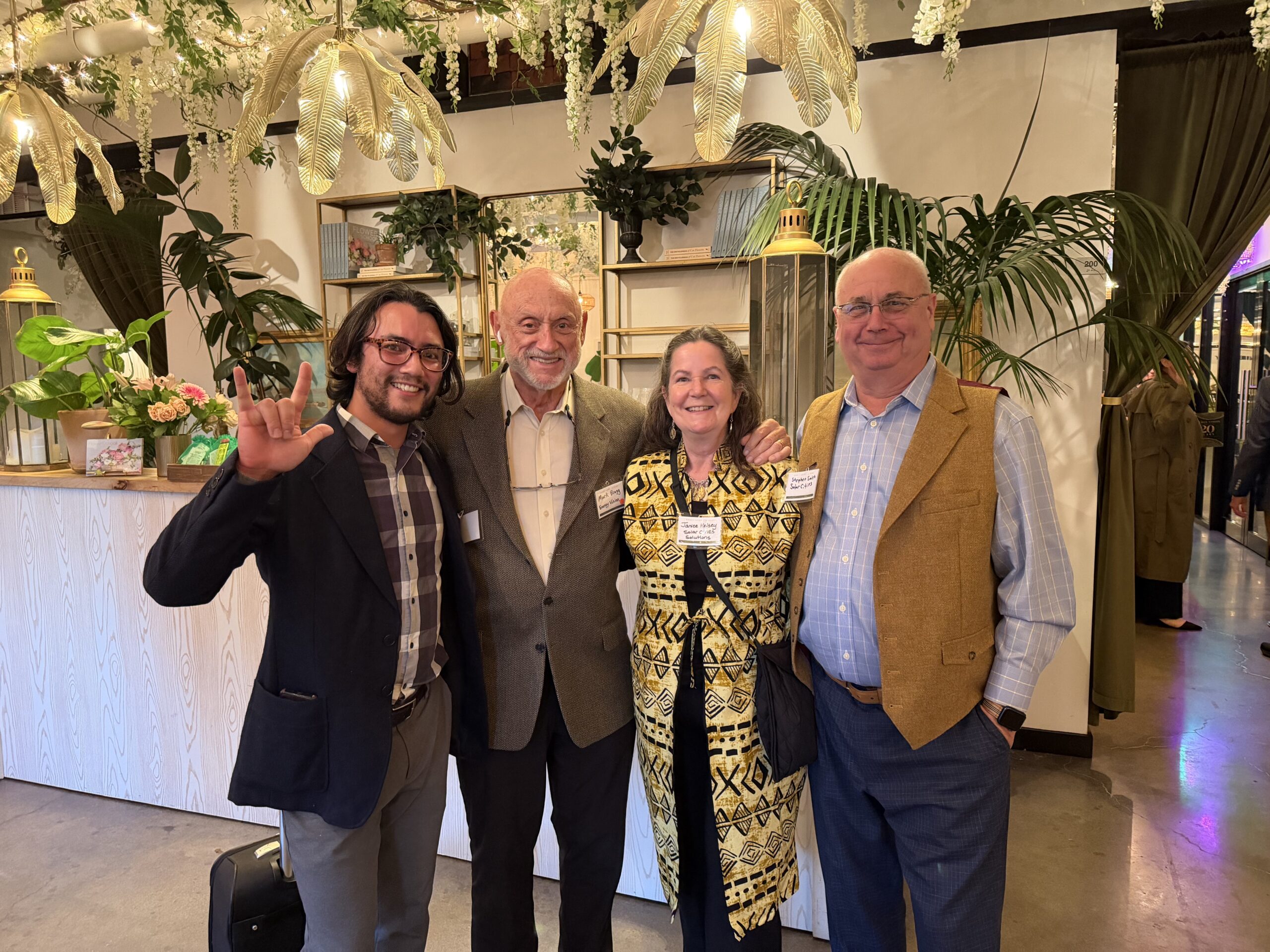
Solar CITIES team members with Mark Bragg, Energy Vision board member.
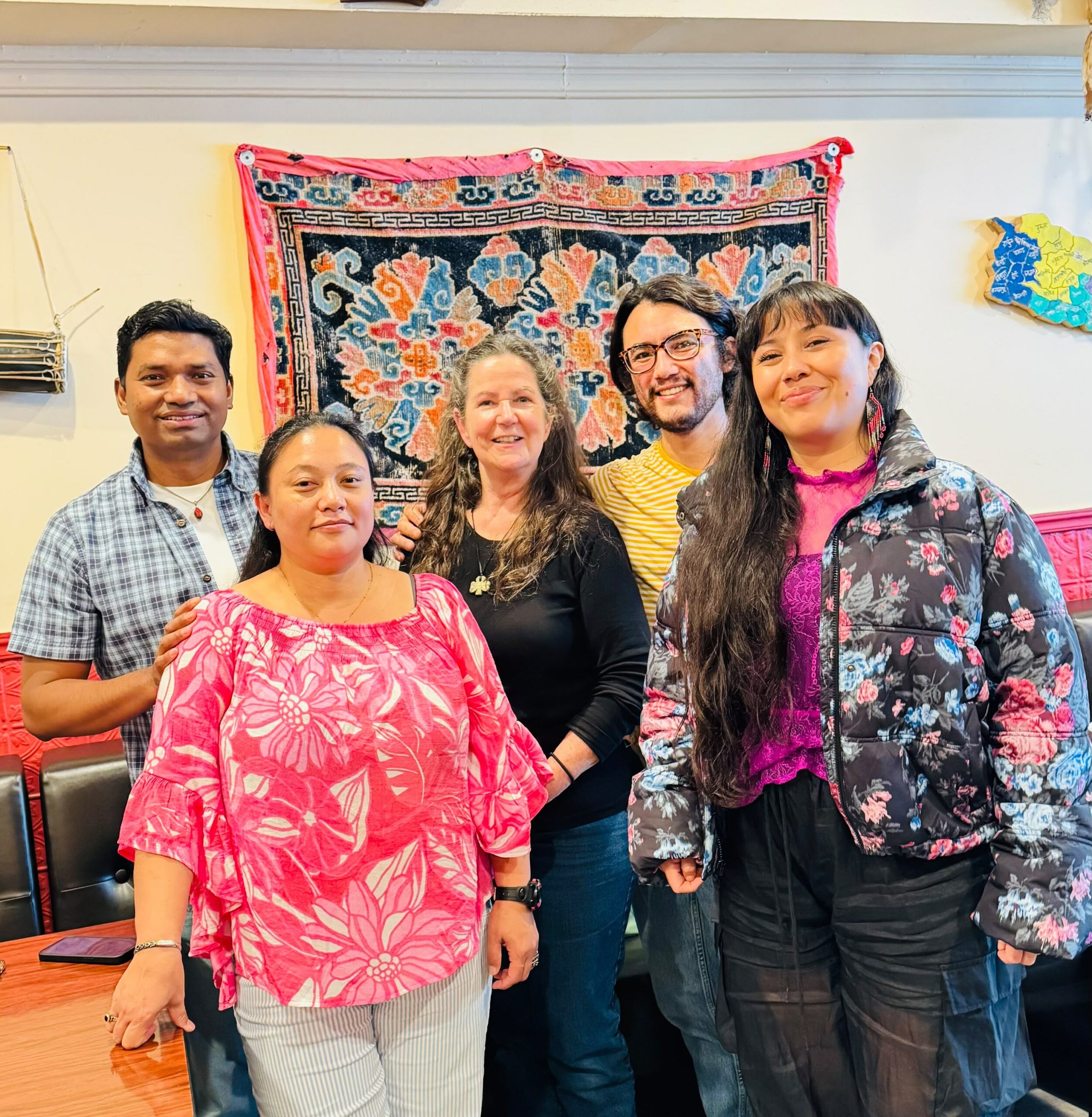
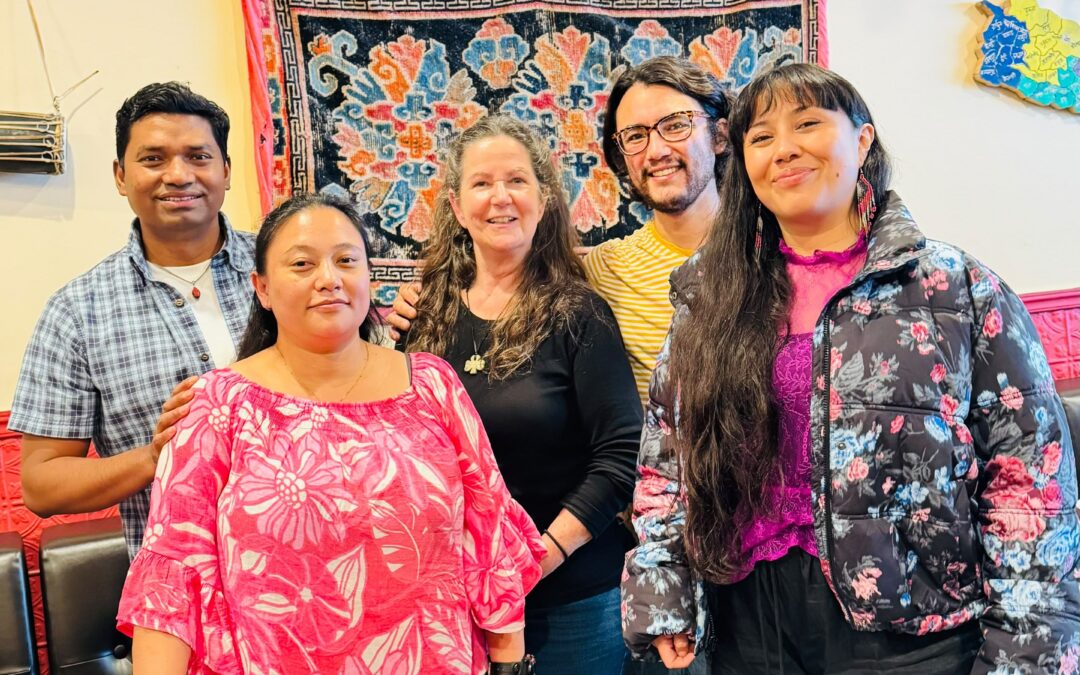
Solar CITIES biogas education is global! At a Himalayan restaurant in Queens with project partners from Nepal and Ecuador.