
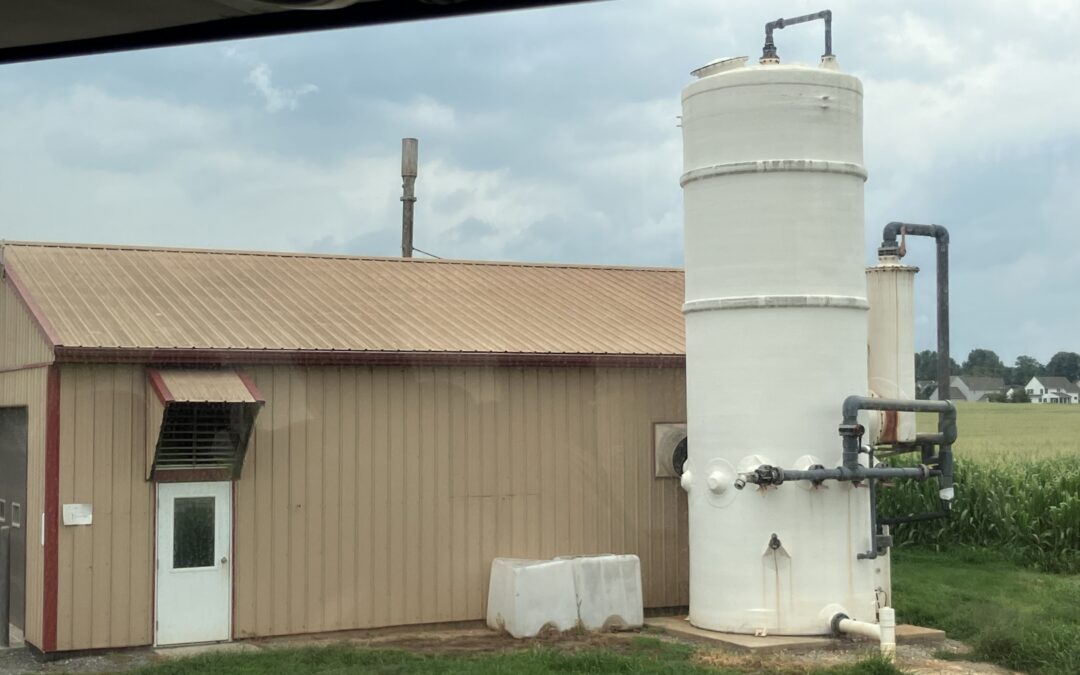
This week, Janice and I attended the conference of the Professional Recyclers’ Organization of Pennsylvania (PROP) in Lancaster, PA. We met some major players in Pennsylvania’s recycling industry, including folks who work in engineering, waste audits, materials sorting, composting, anaerobic digestion, and policy. And, we learned some very exciting breaking news about biogas in Pennsylvania, straight from a spokesperson from the PA Department of Environmental Protection!
This first photo shows a biodigester at Brubaker Farms, a 4th-generation dairy farm with over 2,000 dairy cows. They have achieved an almost completely closed-loop system in which they grow corn, and use the corn stalks to feed their cows; digest the cow manure (plus food waste from nearby Elizabethtown College) to produce 775 kW of electricity; and use the leftover fertilizer from the digester to fertilizer their corn crop for the following season. Meanwhile they are producing milk and corn, stewarding 2,500 acres of land, and providing jobs for about 80 local residents. Incredible!
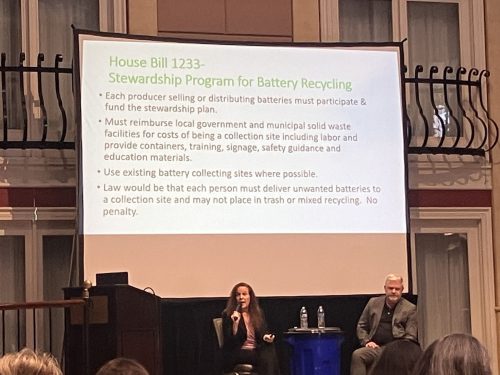
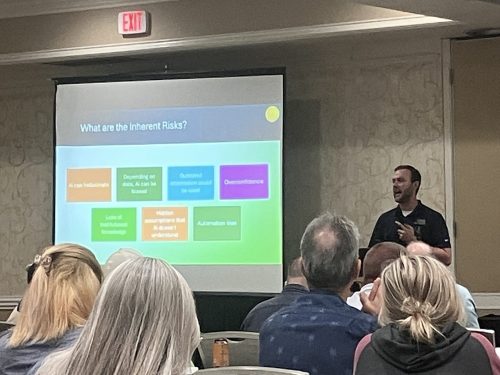
The rest of the conference was all indoors with slideshow presentations and lectures from various different presenters.
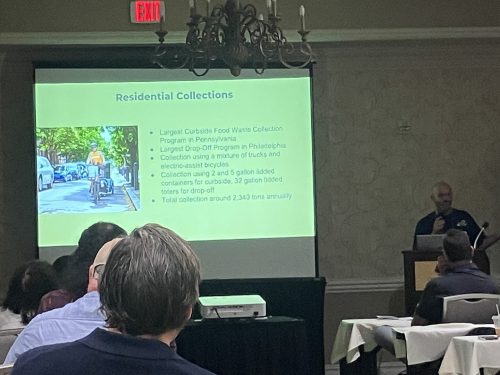
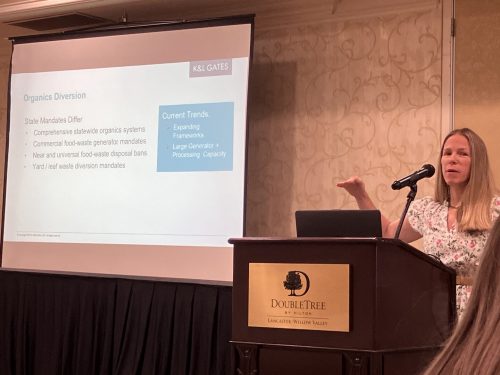
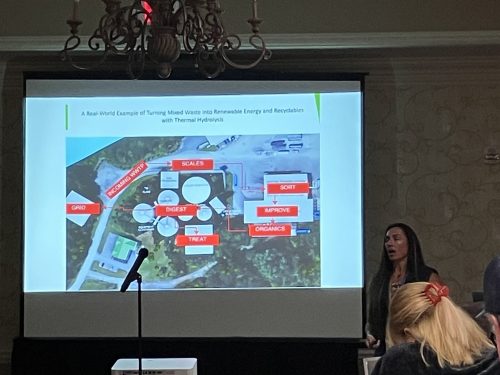
But the most exciting news for us came from Jessica Shalliday at the Pennsylvania Department of Environmental Protection (PADEP). At lunch on Thursday, she announced that PADEP is starting the process of making rules for small-scale anaerobic digesters like Solar C³ITIES IBC tanks! Currently there are regulations for larger digesters on farms, but PA doesn’t have any explicit laws or permit processes for small-scale biodigesters like ours. This creates a legal “grey area” that often makes people and institutions hesitant to install a biodigester on their property, because they don’t know if it’s legal or not. This new PADEP rulemaking process will accept public comment from all across the state, including from organizations like Solar C³ITIES, in order to craft regulations that are reasonable and promote the safe growth of this important organic recycling solution. We’re excited to take part in the rule-making process!
Does your locality have rules that apply to nano-scale digesters? What kinds of rules have you found helpful, and which rules have actually prevented the growth of nano-scale biogas? Let us know in the comments!
So,I like it